Functional temporarily unavailable

Shevchenkove
Travel guide online Shevchenkove


General information about Shevchenkove
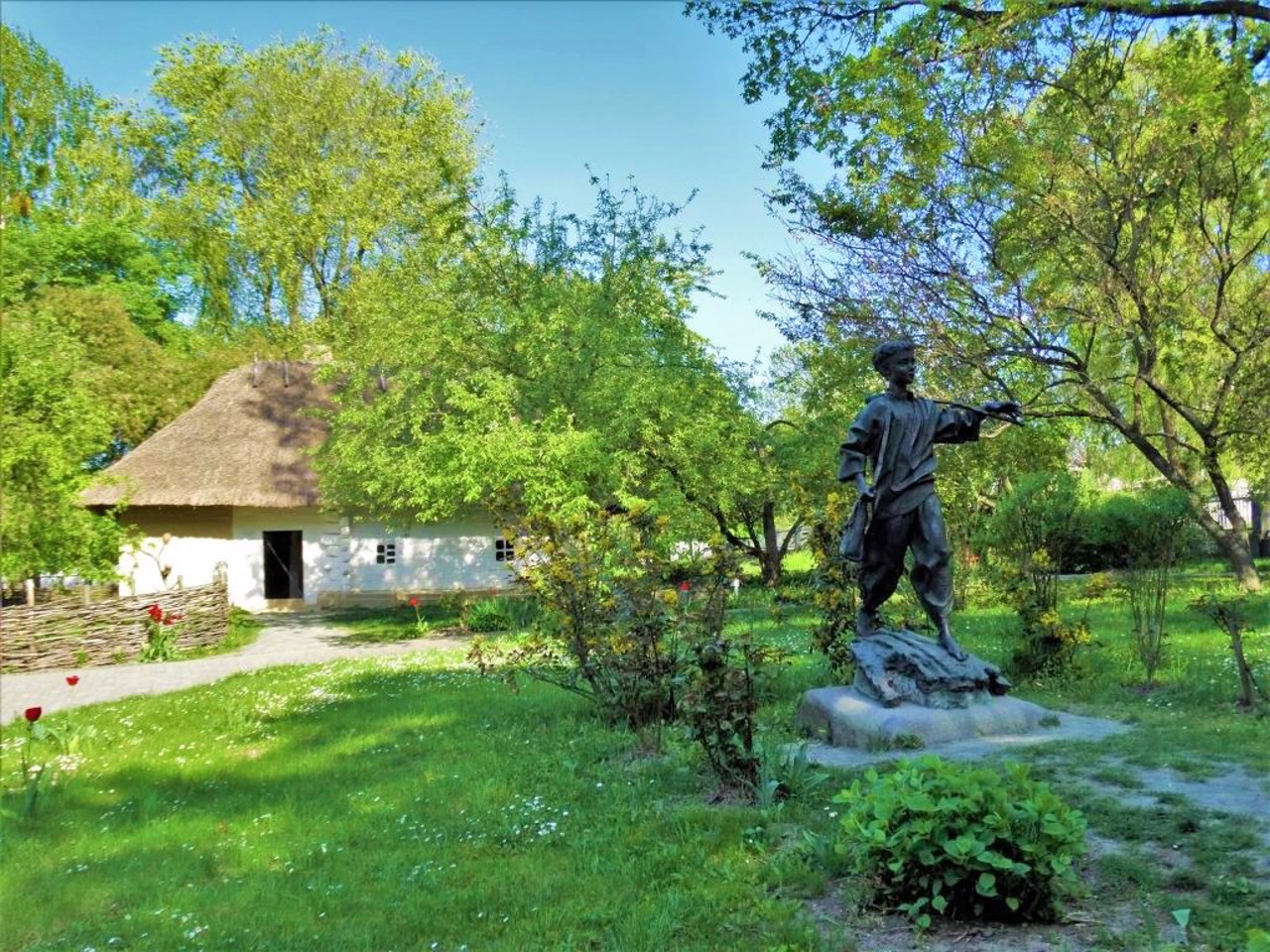
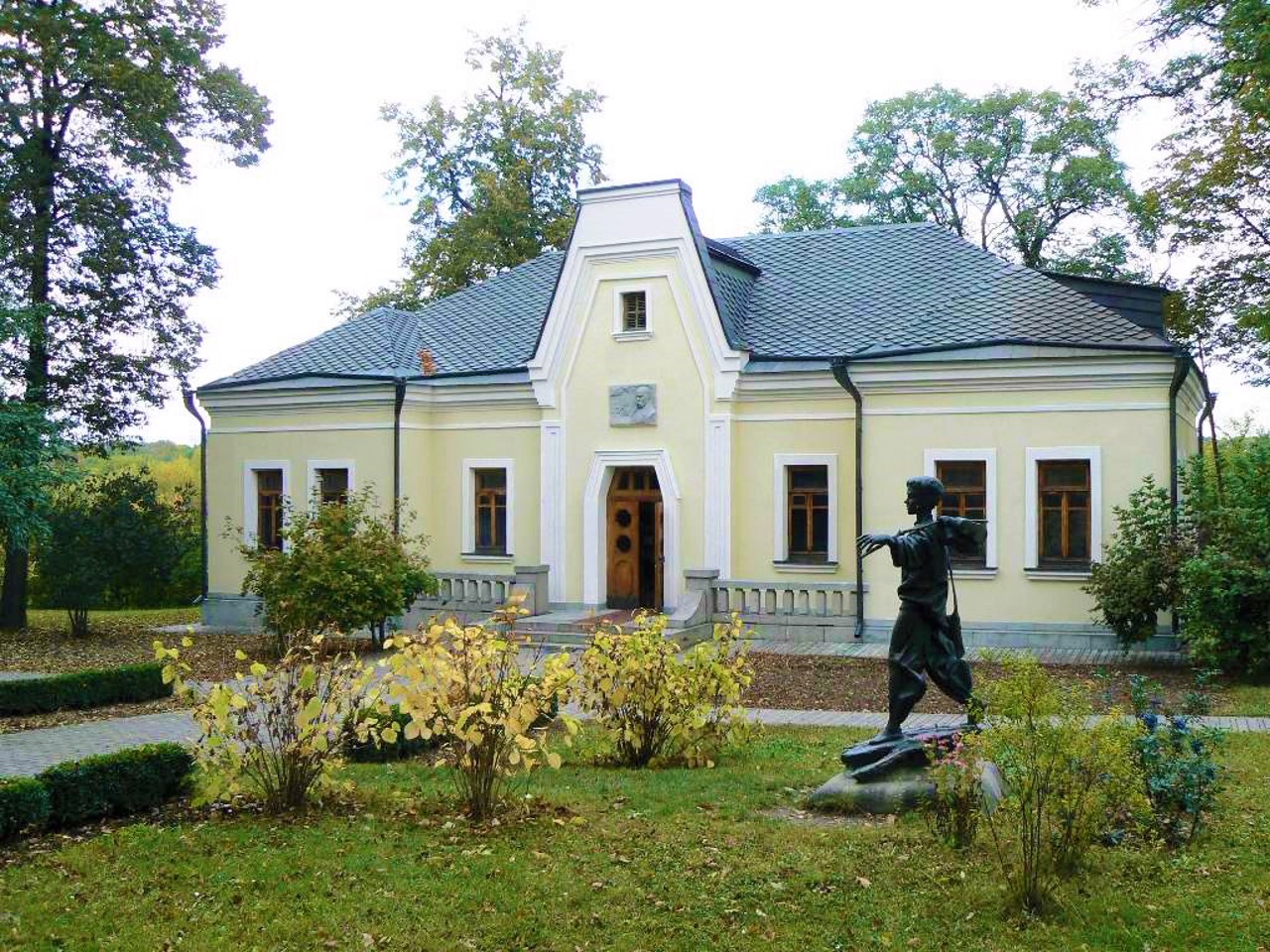
The village of Shevchenkove near Vilshanka is the center of the National Historical and Cultural Reserve "Batkivshchyna of Taras Shevchenko". It is located 50 kilometers from Korsun-Shevchenkivskyi. Since 1618, it has been known as Kerelyvka, then Kyrylivka. According to one of the versions, it was named after the first settler - Cossack Kyrylo.
It belonged to the Polish magnates Yablonovskyi, princes Lubomyrskyi, Russian prince Hrihoriy Potemkin. In the 19th century, it became the property of the Enhelhardt landowners. At that time, the Shevchenko family moved here from Moryntsi. Little Taras lived here until he was 12 years old, then he went to serve as a "Cossack" for Pavel Enhelhardt. From those times, only the house of the local deacon, from whom Taras stu ...
The village of Shevchenkove near Vilshanka is the center of the National Historical and Cultural Reserve "Batkivshchyna of Taras Shevchenko". It is located 50 kilometers from Korsun-Shevchenkivskyi. Since 1618, it has been known as Kerelyvka, then Kyrylivka. According to one of the versions, it was named after the first settler - Cossack Kyrylo.
It belonged to the Polish magnates Yablonovskyi, princes Lubomyrskyi, Russian prince Hrihoriy Potemkin. In the 19th century, it became the property of the Enhelhardt landowners. At that time, the Shevchenko family moved here from Moryntsi. Little Taras lived here until he was 12 years old, then he went to serve as a "Cossack" for Pavel Enhelhardt. From those times, only the house of the local deacon, from whom Taras studied literacy, has been preserved. In 1855, Engelhardt sold the estate to the landowner Valeriy Fliorkovskyi, who, after the reform of 1861, resold it to the sugar factory Mykhaylo Tereshchenko.
A memorial sign was erected on the site of the Shevchenko manor back in 1908, and in 1914 the creation of a museum began. In Soviet times, the village was renamed Shevchenkove, in 1939 the literary and memorial museum of Taras Shevchenko was opened. Since 1992, it has become the center of the "Batkivshchyna of Taras Shevchenko" reserve.
Село Шевченкове під Вільшанкою - центр Національного історико-культурного заповідника "Батьківщина Тараса Шевченка". Розташоване в 50 кілометрах від Корсунь-Шевченківського. З 1618 року відоме як Керелівка, потім Кирилівка. За однією з версій, названо по імені першого поселенця - козака Кирила.
Належало польським магнатам Яблоновським, князям Любомирським, російському князю Григорію Потьомкіну. В XIX століття перейшло у власність поміщиків Енгельгардтів. В цей час сюди перебралася з Моринців родина Шевченків. Маленький Тарас жив тут до 12 років, потім пішов служити у Павла Енгельгардта "козачком". З тих часів зберігся лише будинок місцевого дяка, у якого Тарас навчався грамоті. В 1855 році Енгельгардт продав маєток поміщику Валерію Фліорковському, а той після р ...
Село Шевченкове під Вільшанкою - центр Національного історико-культурного заповідника "Батьківщина Тараса Шевченка". Розташоване в 50 кілометрах від Корсунь-Шевченківського. З 1618 року відоме як Керелівка, потім Кирилівка. За однією з версій, названо по імені першого поселенця - козака Кирила.
Належало польським магнатам Яблоновським, князям Любомирським, російському князю Григорію Потьомкіну. В XIX століття перейшло у власність поміщиків Енгельгардтів. В цей час сюди перебралася з Моринців родина Шевченків. Маленький Тарас жив тут до 12 років, потім пішов служити у Павла Енгельгардта "козачком". З тих часів зберігся лише будинок місцевого дяка, у якого Тарас навчався грамоті. В 1855 році Енгельгардт продав маєток поміщику Валерію Фліорковському, а той після реформи 1861 року перепродав його цукрозаводчику Михайлові Терещенку.
На місці садиби Шевченків ще в 1908 році був встановлений пам'ятний знак, а в 1914 році почалося створення музею. В радянські часи село перейменували на Шевченкове, в 1939 році був відкритий літературно-меморіальний музей Тараса Шевченка. З 1992 року він став центром заповідника "Батьківщина Тараса Шевченка".
Сплануй своє перебування у Shevchenkove
What to see and where to go in Shevchenkove

Tourist attractions and museums of Shevchenkove


Deacon House
Museum / gallery
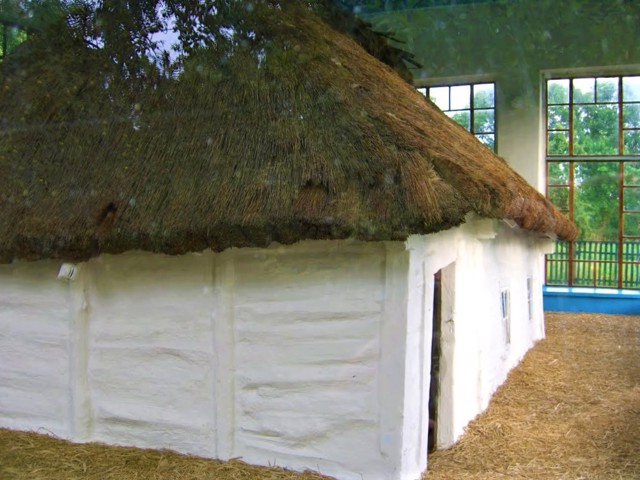
The only building in the village of Shevchenkove, which has been preserved in its original form from the Taras times, is the house of the deacon Ruban, where little Taras Shevchenko studied literacy for two years.
The schoolhouse was located in the then center of the village of Kerelivka, next to the church, 400 meters west of the Shevchenko family estate. It was divided by a porch into two halves - residential and educational. All the children studied together at a large long table in two groups.
In 1909, the Kerelivka school partially burned down, but the part of the house where the students studied remained. Until 1956, it remained residential. In 1961, a glass pavilion was built over it to protect it from the weather. In 1998, a number of restoration and reconstruction works were carried out.
Now the Dyak's House is one of the objects of the National Reserve "Taras Shevchenko's Homeland", visits must be arranged at the Taras Shevchenko Literary and Memorial Museum.
 Bondarivska Street, 5
Add to favorites
Add to route
National Reserve "Taras Shevchenko Homeland"
Museum / gallery
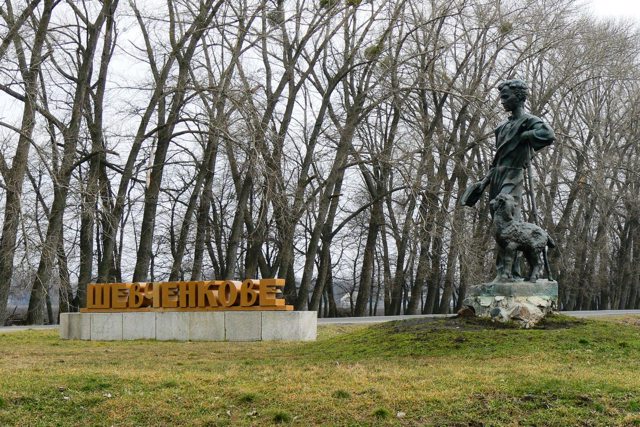
National Reserve "Taras Shevchenko Homeland" unites three ancient villages in which the childhood years of the future poet and artist were spent – Moryntsi, where he was born, Shevchenkove, where he grew up and studied, and Budyshche, where he began his creative work. In total, there are 40 objects and monuments of the cultural heritage of Ukraine on the territory of the reserve.
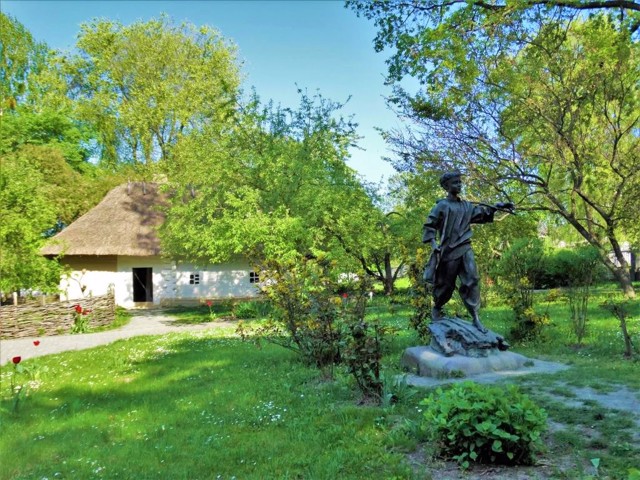
The reserve was created in 1992 on the basis of the Taras Shevchenko Literary and Memorial Museum in Shevchenkove - the former Kerelivka. It was here that the estate of Taras's parents - Hryhoriy and Kateryna Shevchenko - was located, in which he spent his childhood, and which he repeatedly described in his works. The parental home was restored according to Shevchenko's drawings, the grave of his mother has been preserved in the garden, and a bronze sculpture of 13-year-old Taras has been installed. The original Deacon House, where little Taras learned to read and write, is of significant historical value.
In Moryntsy, the Taras Shevchenko Manor-Museum was created to mark the 175th anniversary of the poet's birth. The Moryntsy museum complex includes two reconstructed peasant huts: the hut of Yakym Boiko - Taras's maternal grandfather, and the neighboring hut Kopiya, in which the Shevchenko family lived for a year and a half. The estate has a monument to the poet's mother, Kateryna, with a little boy in her arms, and in the center of the village there is a sculpture of a kobzar with a bandura. Another landmark is the Chumak's House, which has been preserved since the 19th century and has been transformed into an ethnographic museum.
In the village of Budyshche, the summer house of the landowner Pavlo Enhelhardt, who owned the surrounding lands in the first half of the 19th century, has been preserved. Young Taras Shevchenko spent one summer in this estate as a kozachok (a boy on errands). Three old oak trees still stand in the park, in the hollow of one of which Taras hid his drawings. An old wooden windmill at the entrance to the village has also been preserved from Shevchenko's time. And at the crossroads between Moryntsy, Shevchenkov and Budyshche there is a sculpture "I was thirteen" - a young Taras with a lamb.
Bondarivska Street, 33
Add to favorites
Add to route
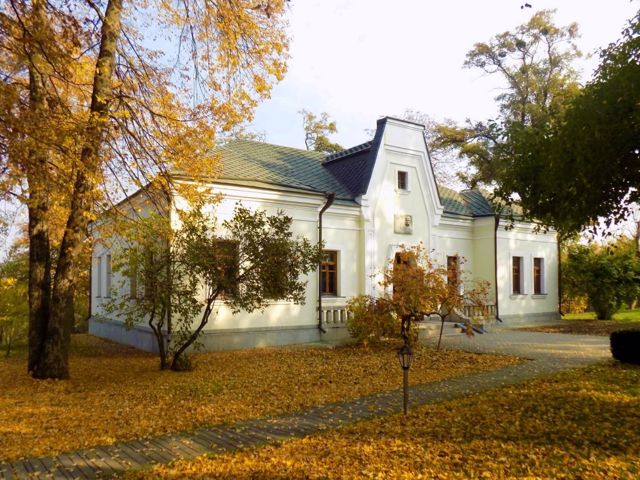
Taras Shevchenko Literary Memorial Museum
Museum / gallery
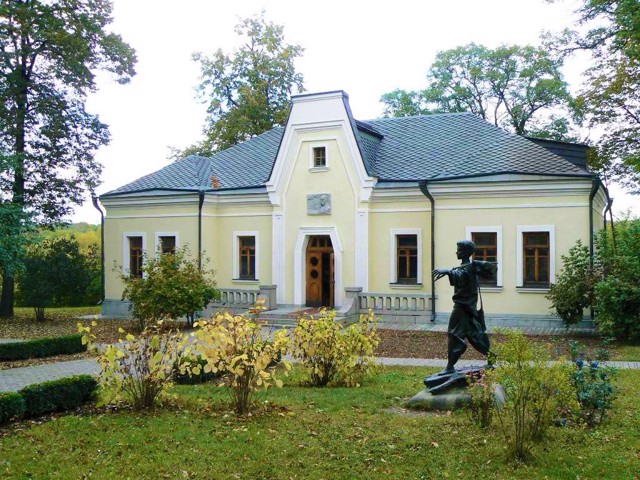
The Taras ShevchenkoLiterary and Memorial Museum in Shevchenkove, formerly Kerelivka, was founded in 1939 to mark the 125th anniversary of the Kobzar's birth. It was created on the site of the estate of the family of Hryhorii and Kateryna Shevchenko, purchased by them in 1816. Taras spent his childhood there, which he repeatedly described in his works.
In 1914, the estate was bought by Kyiv cultural figures, and in 1935, construction of the museum began. Later, in the courtyard, his father's house was recreated in real size according to Shevchenko's drawings and a bronze sculpture of 13-year-old Taras was installed. The grave of his mother has been preserved in the garden.
The five spacious halls of the museum tell about the life and work of the poet, artist and thinker. His personal belongings, first editions of books, documents, portraits and photographs are presented. You can see a table and a bench from the poet's parents' house, furniture from the estate of the local landowner Engelhardt, a wedding towel from Kateryna's sister, and gifts from relatives.
Since 1992, the literary and memorial museum has been part of the historical and cultural reserve "Taras Shevchenko's Homeland", which united the villages of the poet's childhood.
Bondarivska Street, 33
Add to favorites
Add to route

Shevchenkove on photo and video
Reviews Shevchenkove
Geographical information about Shevchenkove
| {{itemKey}} | {{itemValue}} |
|---|---|
| Region |
Cherkasy |
Surrounding cities and villages
Practical tips to visit Shevchenkove
No data available at this time
Functional temporarily unavailable
Follow us
 1.svg "Twitter")
 1.svg "Facebook")
 1.svg "Instagram")